

In the ever - evolving landscape of modern manufacturing, stainless steel non - standard turning processing has emerged as a cornerstone of precision engineering, catering to a wide array of industries with its unparalleled versatility and reliability. This specialized machining technique goes beyond the production of standard components, offering customized solutions that meet the unique requirements of various applications.
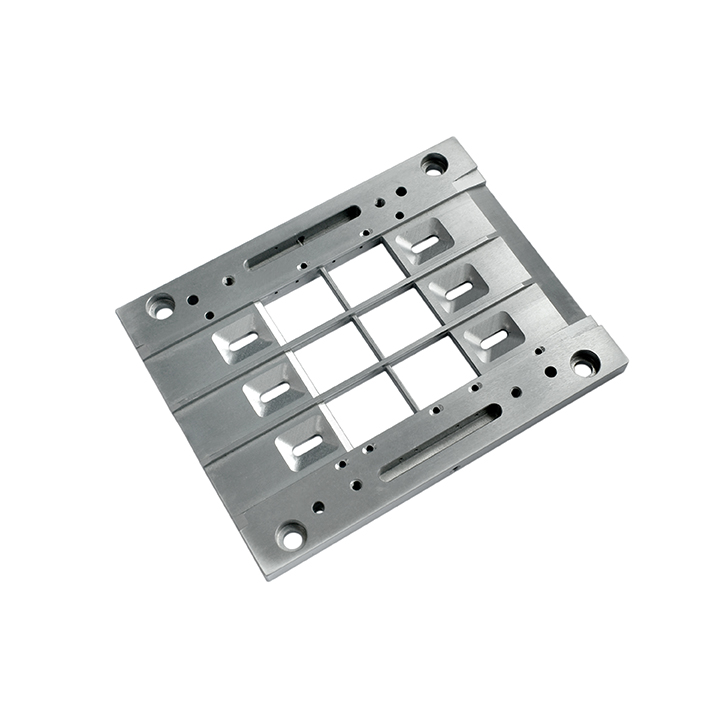
The allure of stainless steel non - standard turning processing lies in its ability to transform raw stainless steel materials into precisely crafted parts with exceptional accuracy. Stainless steel, renowned for its corrosion resistance, durability, and aesthetic appeal, serves as an ideal medium for this process. Advanced turning machines, equipped with high - precision CNC (Computer Numerical Control) systems, can execute complex cutting, shaping, and finishing operations. Whether it's creating components with intricate geometries, tight tolerances, or specific surface finishes, this processing method ensures that each part is manufactured to the highest standards.
One of the key strengths of stainless steel non - standard turning processing is its wide - ranging applications. In the aerospace industry, it plays a crucial role in manufacturing components such as engine parts, fasteners, and structural elements. The high - strength and corrosion - resistant properties of stainless steel make these parts capable of withstanding extreme conditions, ensuring the safety and reliability of aircraft. In the medical field, where hygiene and biocompatibility are of utmost importance, stainless steel non - standard turning processing is used to produce surgical instruments, implants, and medical device components. The precision of this process guarantees that these medical products meet strict quality and safety requirements, contributing to better patient outcomes.
The automotive sector also benefits significantly from stainless steel non - standard turning processing. It is employed to manufacture components like exhaust systems, transmission parts, and engine components. The durability and heat resistance of stainless steel ensure the longevity and performance of these parts, enhancing the overall efficiency and lifespan of vehicles. Additionally, in the food and beverage industry, stainless steel parts produced through this process are highly sought after due to their resistance to corrosion and ease of cleaning, ensuring compliance with strict hygiene standards.
The industry has witnessed remarkable technological advancements in stainless steel non - standard turning processing. New cutting tools with advanced materials and coatings have been developed, improving cutting efficiency and reducing tool wear. Simulation software allows engineers to optimize machining processes before production, minimizing errors and reducing production time. Moreover, the integration of automation and robotics in turning operations has increased productivity and consistency, enabling mass production of high - quality non - standard parts while maintaining precision.
Several leading manufacturers in the market are at the forefront of driving innovation in this field. Companies invest heavily in research and development to improve machining techniques, enhance product quality, and reduce production costs. They also focus on providing excellent customer service, working closely with clients to understand their specific needs and delivering customized solutions in a timely manner.
Looking ahead, the future of stainless steel non - standard turning processing is bright. As industries continue to demand more complex and high - performance components, this processing method will keep evolving. The integration of emerging technologies such as artificial intelligence and the Internet of Things (IoT) will further optimize the machining process, enabling real - time monitoring, predictive maintenance, and greater process control.
In conclusion, stainless steel non - standard turning processing is an indispensable part of modern manufacturing. Its precision, versatility, and continuous technological progress make it a vital force in meeting the diverse needs of various industries. As we move forward, it will undoubtedly continue to play a crucial role in shaping the future of manufacturing with its high - quality, customized solutions.