

In the ever - evolving landscape of modern manufacturing, non - standard parts customization has emerged as a transformative force, revolutionizing the way industries meet their unique requirements and drive innovation. As the demand for specialized, high - performance components continues to surge across diverse sectors, non - standard parts customization has become an essential solution, offering unparalleled flexibility, precision, and efficiency.
At the heart of non - standard parts customization lies the ability to break free from the constraints of mass - produced, off - the - shelf components. By tailoring parts to specific designs, dimensions, and performance criteria, manufacturers can create solutions that are perfectly suited to their individual needs. This is particularly crucial in industries such as aerospace, automotive, medical devices, and robotics, where components must meet stringent quality, safety, and functionality standards. For example, in aerospace, custom - made non - standard parts can optimize the performance of aircraft engines, reduce weight, and enhance fuel efficiency, contributing to safer and more sustainable air travel.
Precision is a hallmark of non - standard parts customization. Advanced manufacturing technologies, including computer - aided design (CAD), computer - aided manufacturing (CAM), and 3D printing, enable manufacturers to create parts with extremely tight tolerances and complex geometries. These technologies allow for the production of parts that were previously impossible or prohibitively expensive to manufacture using traditional methods. For instance, 3D printing can rapidly produce intricate prototypes and end - use parts with high levels of detail, significantly reducing development time and costs. This precision not only ensures the seamless integration of parts into larger systems but also enhances overall product performance and reliability.
Another key advantage of non - standard parts customization is its ability to foster innovation. By enabling companies to experiment with new designs and materials, it encourages the development of cutting - edge products and solutions. Custom - made parts can incorporate the latest technological advancements, such as smart sensors, lightweight composites, and advanced coatings, opening up new possibilities for product functionality and performance. In the medical device industry, for example, customized implants can be designed to match a patient's unique anatomy, improving surgical outcomes and patient recovery times.
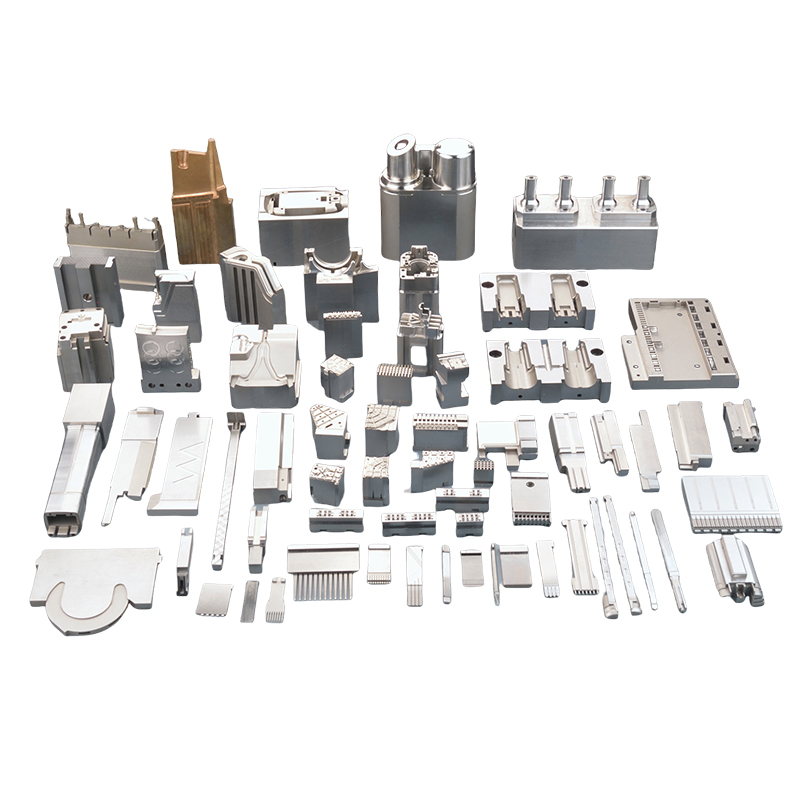
The market for non - standard parts customization is experiencing robust growth, fueled by the increasing complexity of modern products and the need for rapid prototyping and production. As more companies seek to differentiate themselves in a competitive marketplace, the demand for customized components is expected to continue to rise. Additionally, the growth of the global supply chain and the need for localized manufacturing solutions are also driving the adoption of non - standard parts customization.
Looking ahead, the future of non - standard parts customization is bright. Advancements in artificial intelligence (AI) and machine learning (ML) are likely to further enhance the design and manufacturing processes, enabling even greater levels of automation and precision. The integration of digital twins, virtual reality (VR), and augmented reality (AR) technologies will also provide new opportunities for product design, simulation, and optimization. Moreover, as sustainability becomes an increasingly important consideration, there will be a growing focus on developing eco - friendly materials and manufacturing processes in non - standard parts customization.
In conclusion, non - standard parts customization is a dynamic and essential aspect of modern manufacturing. Its ability to provide tailored solutions, precision engineering, and innovative capabilities makes it a key driver of growth and competitiveness across industries. As technology continues to evolve, non - standard parts customization will play an even more vital role in shaping the future of manufacturing, unlocking new possibilities and driving the development of cutting - edge products and solutions.